Remote Ghar
Remote Ghar
Remote Ghar
For decades, the standard workday was built around a rigid schedule: clock in at 9 AM, leave at 5 PM, and commute both ways. However, the modern digital economy is rapidly breaking down these traditional structures. While standard remote work simply moved the 9-to-5 into the living room, a new trend is fundamentally changing how we work: Micro-Tasking.
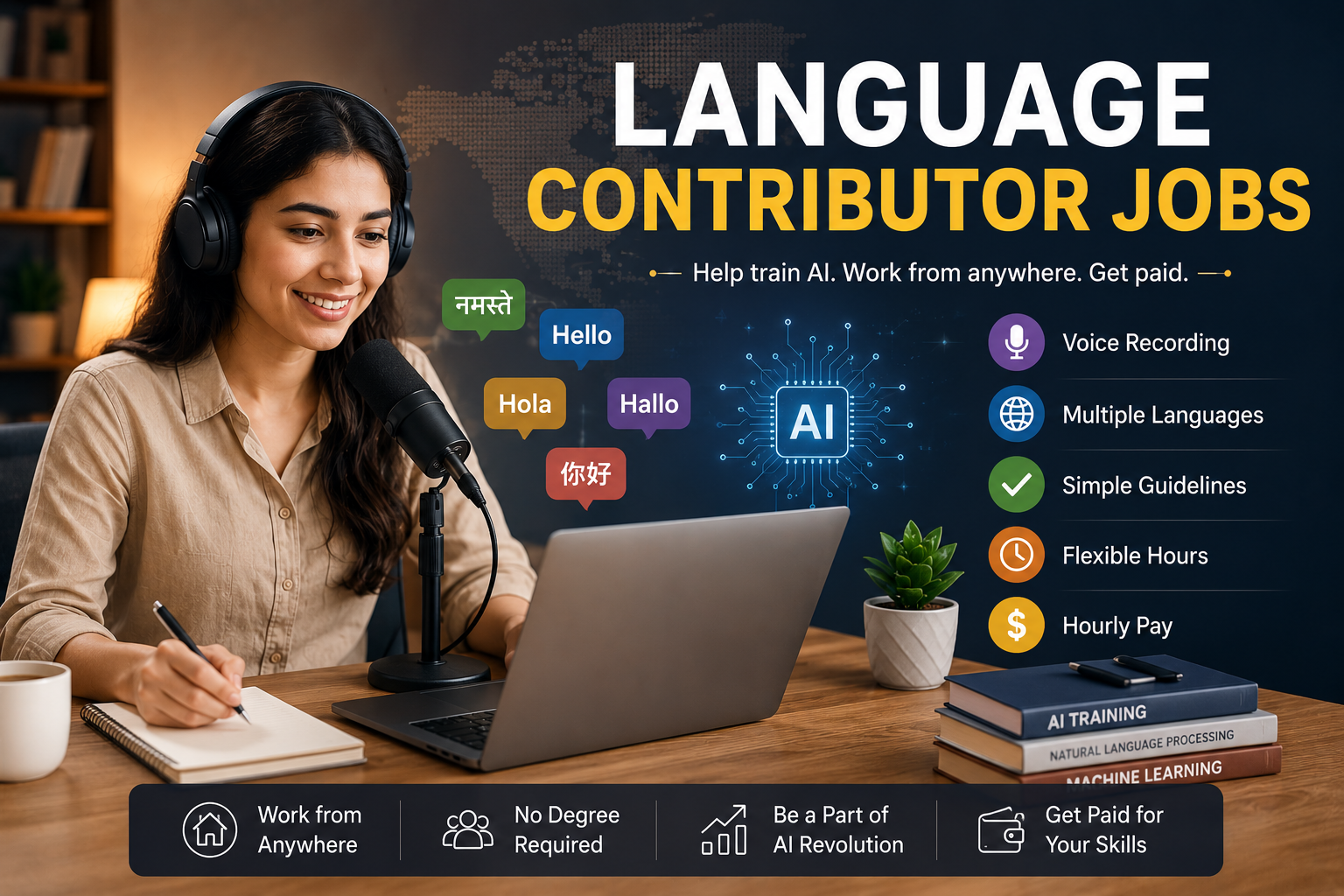
Micro-tasking involves breaking down large, complex projects into small, manageable units of work that can be completed independently. For platforms focused on data labeling, AI moderation, and linguistic analysis, this model is a game-changer.
"We are moving away from paying people for their time, and moving toward rewarding them for their tangible contributions."
It’s not just the workers who benefit. For enterprise companies, utilizing a global network of micro-taskers provides unparalleled scalability. Need 100,000 images tagged by Friday? A centralized office team would struggle, but a distributed network of thousands of remote workers can accomplish it in hours.
As the demand for high-quality data continues to surge, the micro-tasking economy is poised to become one of the most vital pillars of the future of work.
Remote Ghar